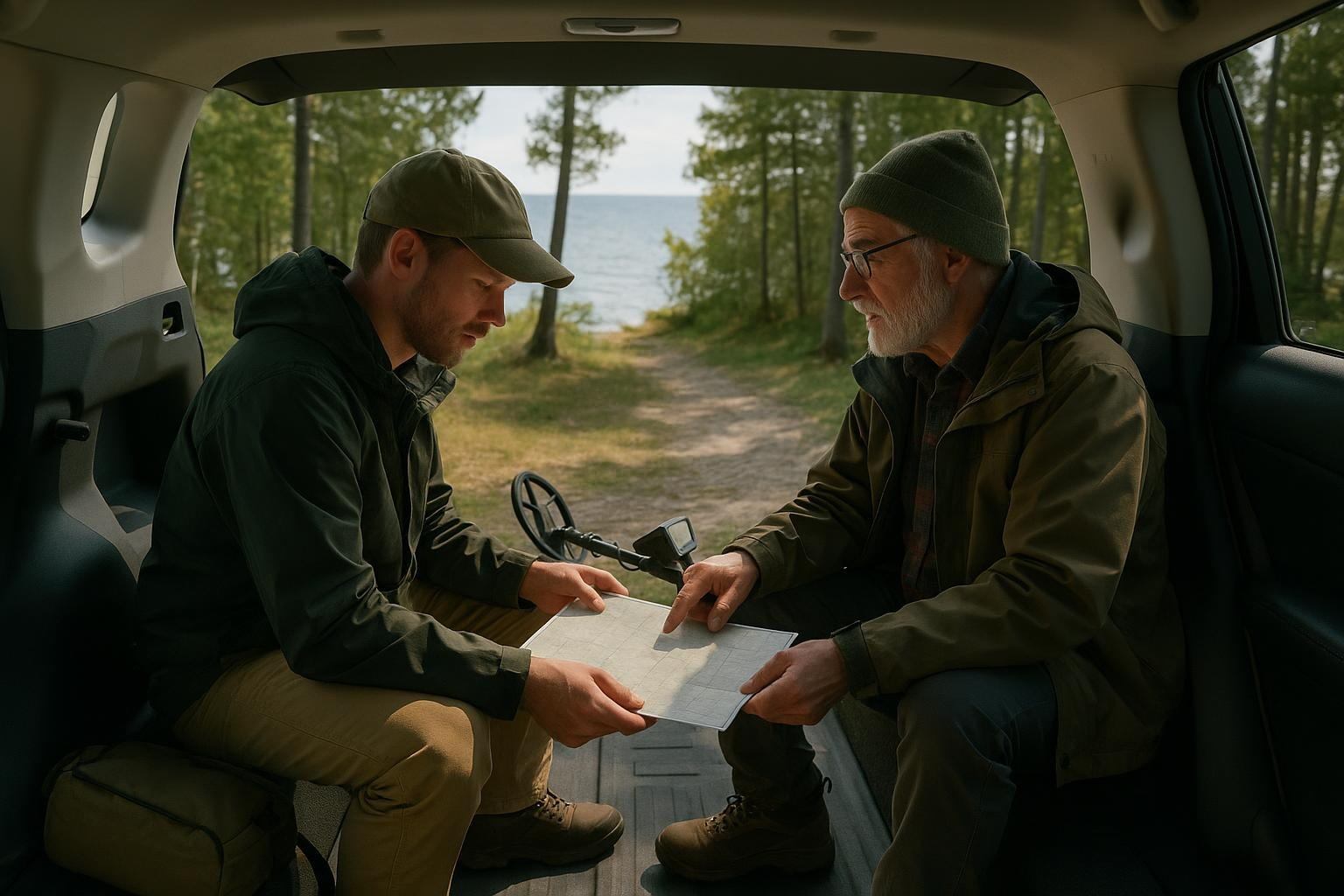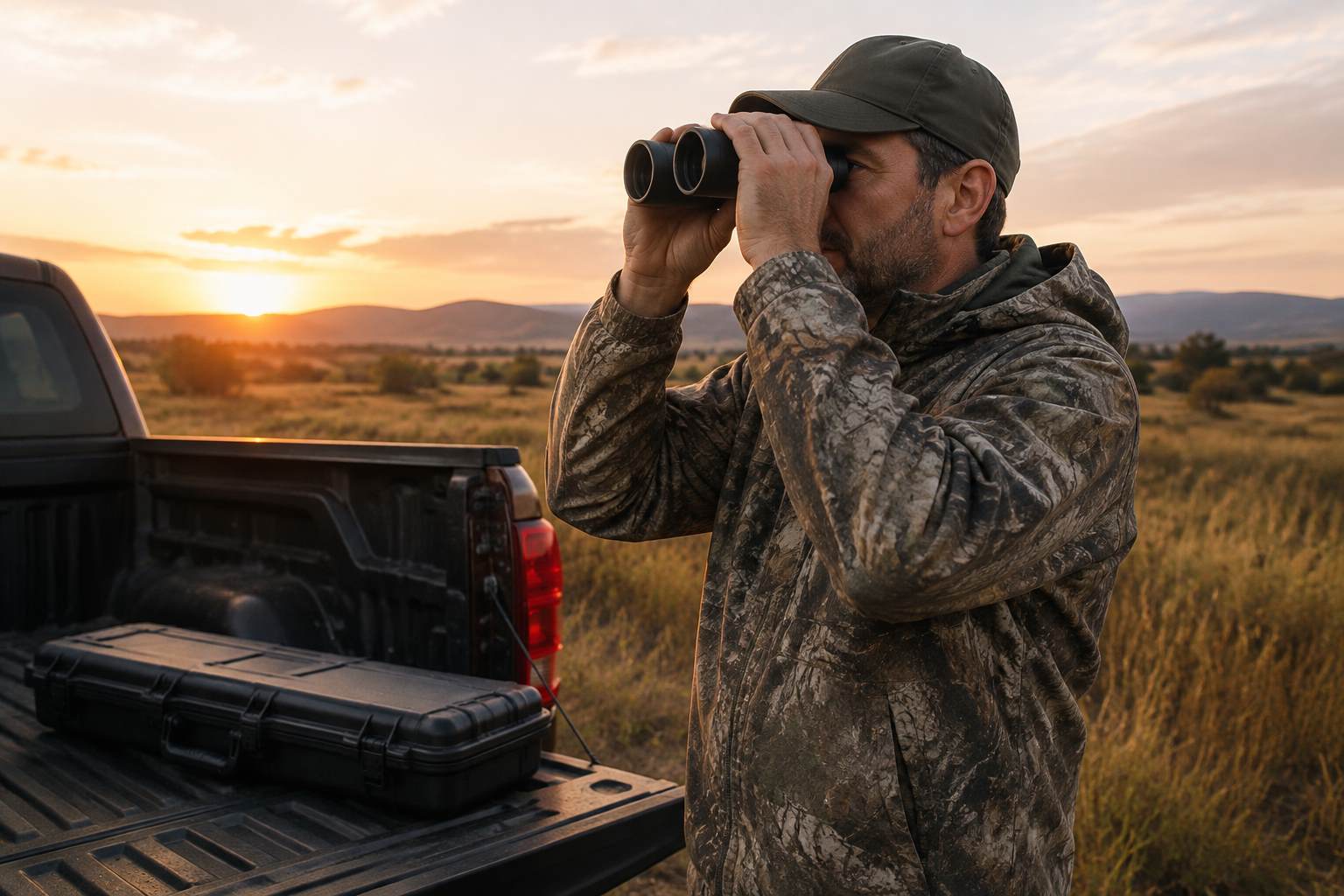
Before putting down a deposit for a guided outing, decide what kind of day you want: a focused search for a particular object, an introduction to the landscape or a family activity with flexible goals. Maya, planning a weekend in Door County, starts there because the choice affects what she should ask, pack and expect. Good guided treasure hunt planning is less about promising a spectacular find than matching the guide, land and group's expectations.
Start with the kind of find you want
Maya has seen photographs of interesting discoveries and knows that a photograph is not a plan. Before contacting a guide, she considers who is coming, how long the group can stay comfortable outdoors and what would make the day worthwhile without a major find.
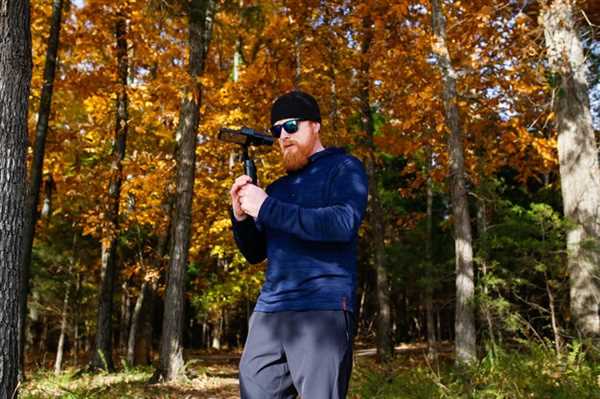
A search may involve reading terrain, learning to use a detector or recovery tool responsibly, or understanding why certain areas are off limits. If the group wants a specific target, Maya asks whether the outing is designed around it or whether conditions, access and chance will shape the search. A careful guide should explain that uncertainty without turning it into a sales promise.
She also asks about physical demands. Will the group encounter uneven ground or shoreline conditions, walk between sites, kneel or carry personal equipment? The answers help her judge whether a child, older relative or anyone with mobility limits will be comfortable. A guided trip is not necessarily effortless simply because someone else is leading it.
Ask what the day actually includes
The phrase "guided hunt" can describe very different arrangements. Maya asks how the meeting point will be confirmed, how long the field portion usually lasts, what equipment is supplied and what she must bring. She also asks how weather or unsafe conditions are handled and how much notice is given if plans change.
She asks what happens after a possible discovery. Will the guide explain identification and documentation? Should the group leave an item in place until ownership, permission or land rules are clear? Are there limits on digging, probing or removing material? These questions show whether the outing is organized around responsible decisions, not excitement alone.
A useful reply should give a newcomer enough detail to prepare. If answers remain vague-especially about access, duration or what participants may do in the field-Maya pauses before booking.
Use the first conversation as a safety check
Questions for a guide help identify gaps while there is still time to address them. Maya sends a short list:
– What experience level and physical ability suit this outing?
– What land or water conditions should participants expect?
– Which tools are provided, and what may participants use?
– What are the rules for recovering, photographing and reporting a find?
– What happens if weather, access or local restrictions change?
– Who should be contacted if the group is delayed or separated?
The guide's communication style is part of the answer. A thoughtful response acknowledges what cannot be guaranteed and identifies details that depend on the site or date. It should not pressure anyone to ignore discomfort, skip preparation or assume that a guide replaces personal responsibility.
Maya saves the final written instructions on her phone and tells the group where she will be. That is simple preparation for time on unfamiliar ground.
Confirm permission before thinking about technique
Access is the first ethical field decision. A place that looks open may be private, managed for a specific purpose or subject to restrictions that are not obvious from a road or trail. Maya asks who granted access, which areas are included and whether participants may search, dig, collect or remove anything there.
Regulations can differ by land manager, shoreline, park, municipality or type of object. Before the trip, she checks current official guidance for the exact location, along with the guide's instructions. She does not assume a rule from another Wisconsin site applies in Door County or that yesterday's advice remains current.
The same caution applies to historical or culturally sensitive material. If something appears significant, fragile or connected to a protected place, photograph it without disturbing it and ask the appropriate authority or land manager what to do next. A responsible guide should explain the reporting path rather than encourage a quick pocket-and-go decision.
Pack for conditions and changing plans
Maya's bag is modest: weather-appropriate layers, sturdy footwear suited to the site, water, food, a charged phone, needed medication and a way to protect personal items from moisture. She confirms whether gloves, eye protection or other equipment are recommended and avoids bringing tools not approved for the land or outing.
Forecasts are useful but not binding. Wind, rain, heat, slippery surfaces and poor visibility can change a reasonable plan. The group agrees that anyone may speak up about discomfort and that postponing is better than pushing through conditions that make careful searching difficult.
Maya also leaves room in the schedule. Rushing at the end is when people forget belongings, cross a boundary or handle a questionable object without thinking.
Make conservation part of the booking decision
Conservation is not a favor added after the search. It is a test of whether the outing can continue without damaging the place that makes it possible. Ask how the guide minimizes disturbance, handles recovered material, closes small ground disturbances and deals with litter or accidental damage. The answer will depend on the site, but it should recognize the value of soil, vegetation, shoreline habitat and public access.
Maya defines success as leaving the area orderly, respecting other visitors and accepting a blank spot on the map when rules or conditions require it. Before booking, she reviews the written details: objective, access, duration, equipment, weather plan, recovery rules and current official requirements. If those points are clear, she can enjoy Door County's uncertainty without confusing adventure with permission. Preparation cannot guarantee a find, but it gives everyone a fair chance to make informed, lawful and considerate choices in the field.