The Ethical Dilemma of Treasure Hunting, in Door County
Starting a treasure hunt can feel exciting especially when a bright signal or a clear clue appears. The urge to dig deeper can be strong.. Treasure hunting must ask itself: should treasure hunting take the chance or protect the land? Treasure hunting decisions affect the earth the owners of the land and the safety of places. Treasure hunting success depends on both an eye for discovery and a good grasp of habits and moral thought.
Understand Permissions Before You Search
Before treasure hunting excitement takes over treasure hunting must first check if treasure hunting has the right to look for and pull up treasures in the chosen spot. Public places do not always mean treasure hunting can freely collect; every place-whether a beach, a park or private land-has its rules.
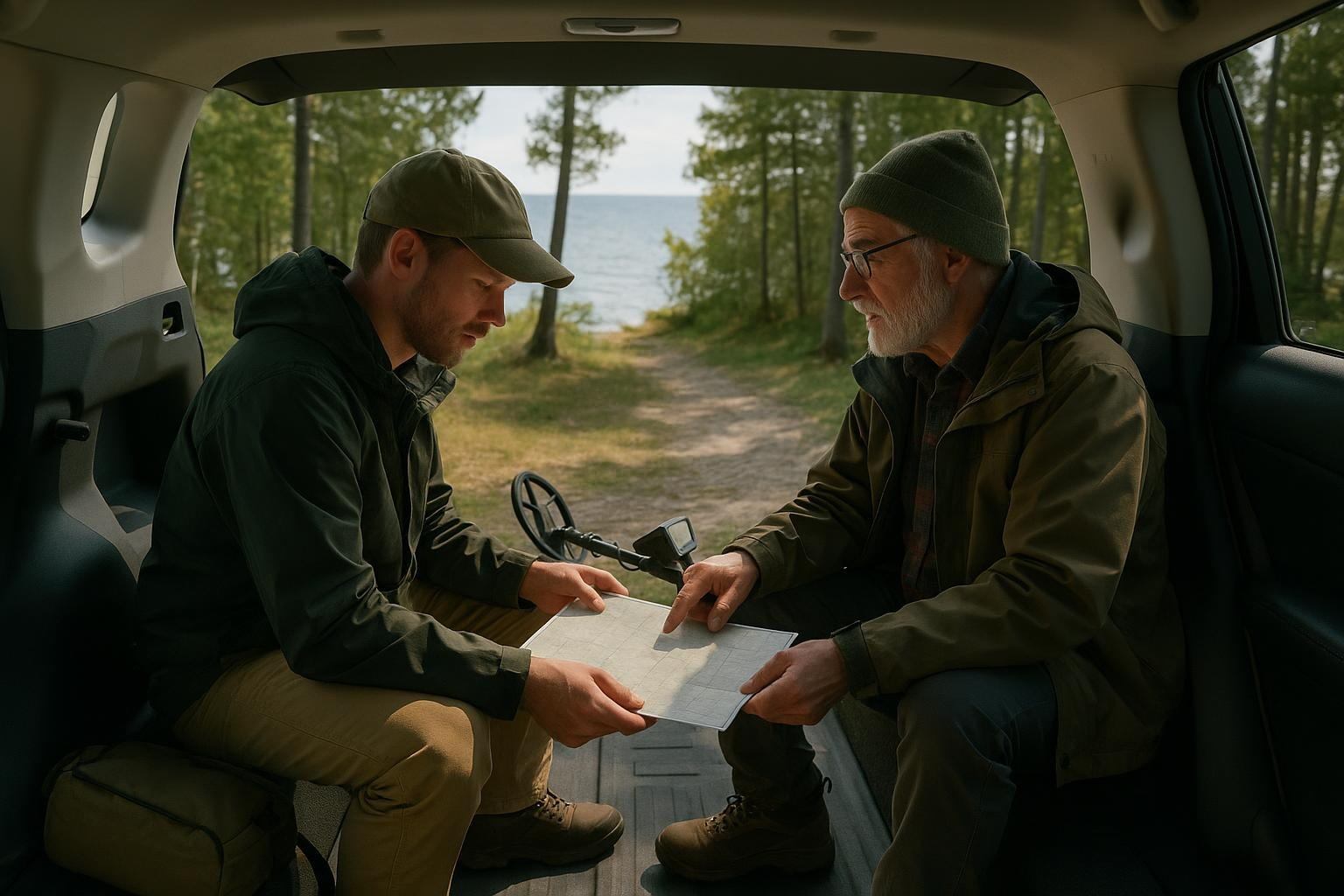
For example a clear shoreline may look good for treasure hunting. The laws on that shore may stay the same even if new ground shows. Before the trip treasure hunting should talk with a guide about the authority and its rules. If treasure hunting goes alone treasure hunting must read the guidelines from the authorities. Old permissions or old data may not be true anymore. When treasure hunting moves onto land treasure hunting must get the owners permission. Treasure hunting must also set limits on what's allowed; often a walk permission does not cover digging or picking up items.
Effective Communication is Key
To make treasure hunting an experience treasure hunting should talk openly with a guide before any find shows up. Treasure hunting should share what it hopes to find and how it feels about leaving things behind. Treasure hunting should also set limits about digging and handling spots so that decisions can be quick.
When treasure hunting finds something, treasure hunting should give details of guessing. Treasure hunting should say size, material, how deep and the exact spot. Pictures with a ruler or other scale are more useful than treasure hunting guessing value. Treasure hunting should not touch the object until the guide checks it. Treasure hunting should ask: what is the disruptive way to act? Sometimes the best move is to record the find of trying to pull it out.
Recognizing When to Hold Back
Sometimes treasure hunting must stop. If the find is buried in dirt linked to a building, part of a grave or next to plants treasure hunting should. Ask for help. The same rule applies to danger; if something looks like ammo or a strange box treasure hunting should not touch it.
In these moments treasure hunting should keep people away from the spot. Call authorities for help not try luck. Treasure hunting should remember that the history around a find can be more important than the find itself. If a guide says to leave the thing treasure hunting does not fail; treasure hunting can learn a lot about the site.
Prioritizing Site Preservation During Recovery
If treasure hunting can take something treasure hunting must use methods to hurt the place. Treasure hunting should walk on ground to keep plants where birds nest. Treasure hunting should keep tools away from roots and old structures. Just because the first dig gives something does not mean treasure hunting can widen the mess.
Before taking out a thing treasure hunting should think how to make the spot look natural again: can it stay undisturbed without showing roots or loose dirt? Treasure hunting should always bring back any trash or leftover bits. When the ground is wet or crowded treasure hunting may wait until it is safer. Treasure hunting should know that preservation means more than stopping erosion; it means keeping the place open for others while keeping the story of the find.
Streamline Your Decisions with a Checklist
When time is short treasure hunting can use a list to help:
– Does treasure hunting have permission to dig or take this item?
– Could the item, plants or buildings get hurt?
– Does this item appear dangerous or part of a feature?
– Have I spoken to my guide before making any moves?
– Can I leave the site in its state. Take all waste with me?
– If unsure am I ready to record the location and leave the item behind?
Keeping this checklist handy does not replace laws or expert advice; it only provides a method to stop actions when pressure is high.
Documenting Your Discovery Thoughtfully
When writing down your findings try to separate facts from your thoughts. Note the date, exact location, conditions at the moment and what you saw without adding words. Take photographs. Do not reveal details or sensitive spots and do not show people unless you have permission and it is necessary.
Do not jump to conclusions about a finds value just because the find looks unusual. If the find might have heritage importance leave the find. Talk to your guide or a proper authority about how to report or handle the find. Do not share coordinates publicly when the finds status is unclear.
Adaptability is Essential
A good treasure hunt should allow for changes as things happen. Things like water, animal activity, construction or new rules can change a path that worked yesterday. Always check rules before you go and stay alert for any changes when you arrive.
In the end a good outing is more than the objects you pick up; it shows respect, for the shore nearby trails and neighboring lands. Sometimes the best choice is to record a hint tell your guide and keep walking without taking anything. This protects the area. It keeps your chance to return to this place later.